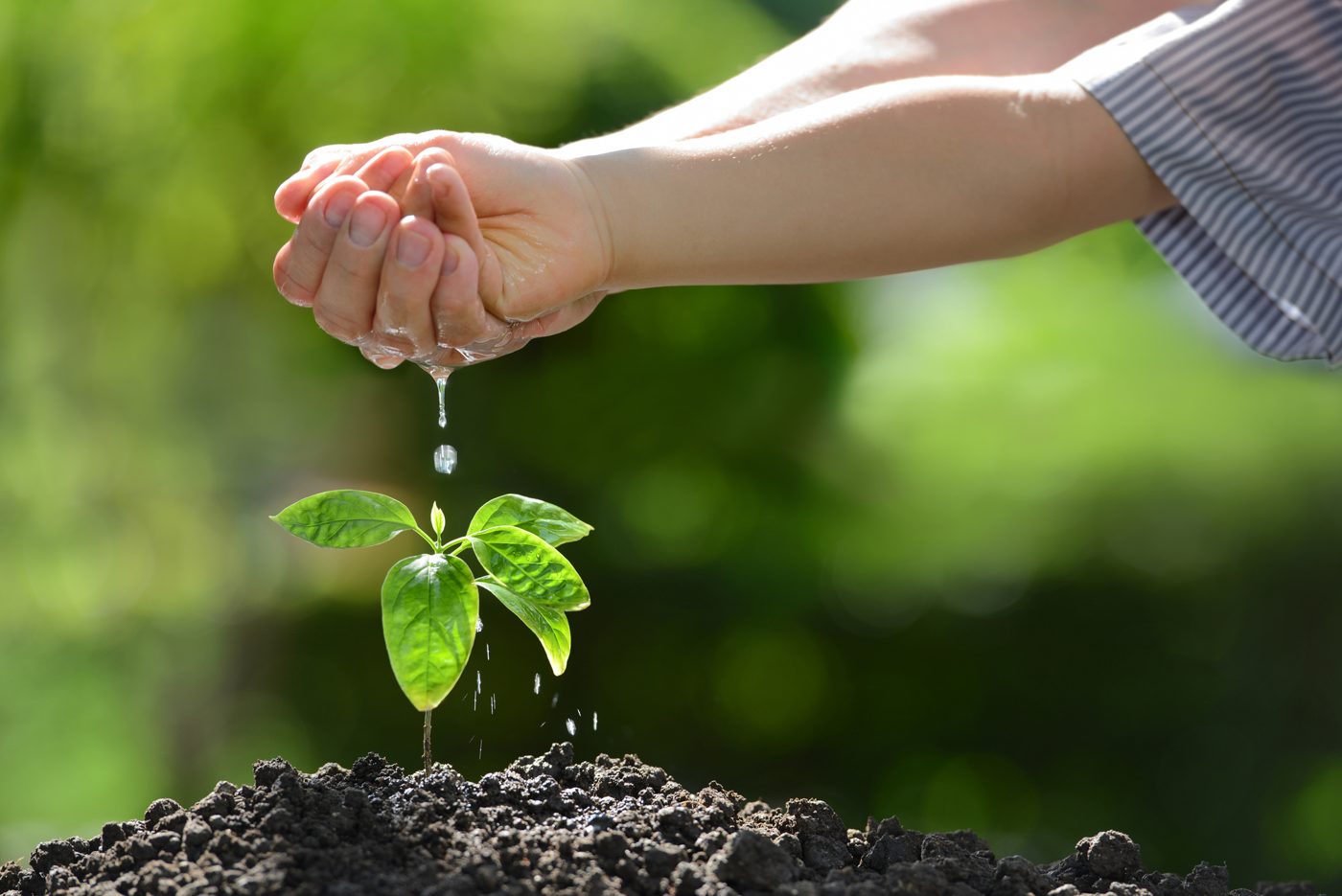
Prosperity and a protected environment, in the same breath.
The project is engineered so that the environmental, social and economic returns reinforce one another — not trade off against each other.
Environmental
Carbon at speed, soil for the long run.
A fast-growing plantation pulls carbon down quickly, while the root system it leaves behind rebuilds the ground beneath it.
- 2M t
- CO₂e sequestered annually
- Roughly the equivalent of taking 800,000 cars off the road each year.
- 8.8 t
- CO₂ per hectare, per year
- Rapid biomass accumulation, with credits issuable within months of planting.
- 250k ha
- Degraded land restored
- Deep roots bind soil, cut runoff, and recharge groundwater across the river regions.
Alongside carbon, a full environmental monitoring framework runs throughout: satellite tracking of vegetation health, a network of weather stations, stream-flow gauges, periodic biodiversity assessments and camera traps, with independent validation of every sustainability claim.
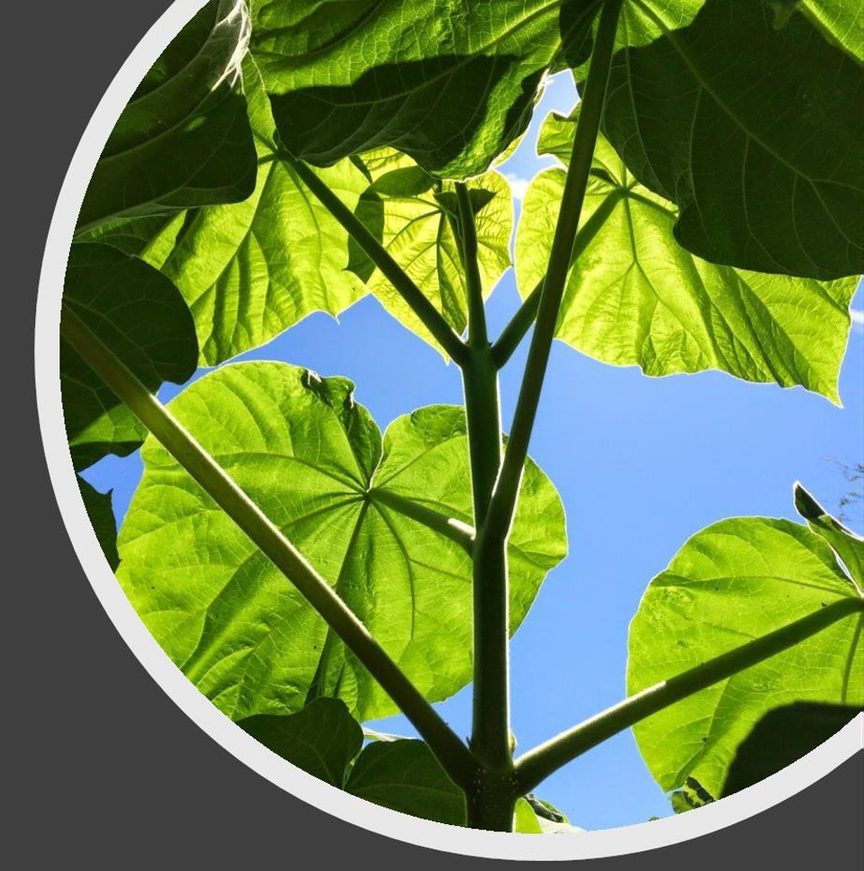
Social
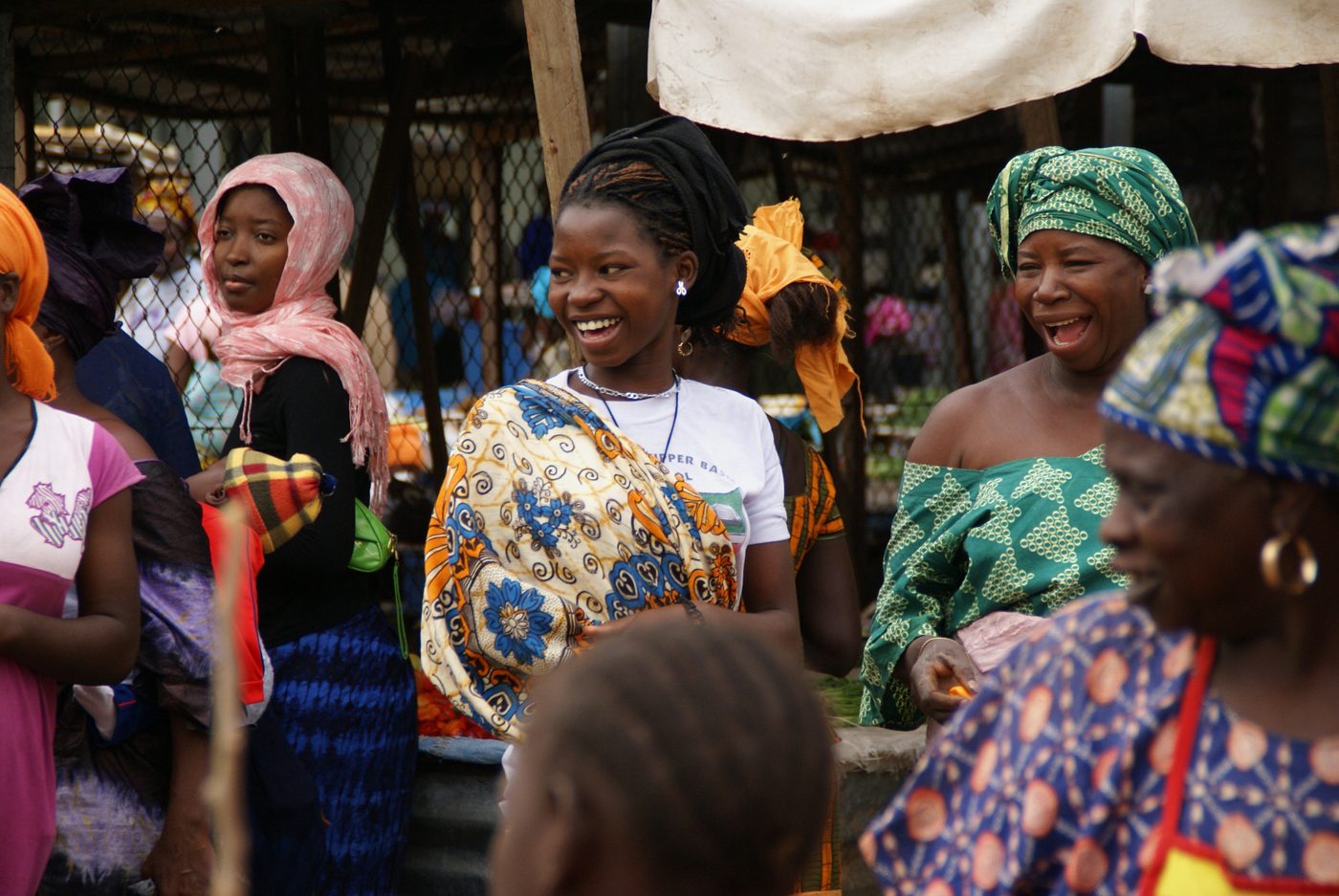
50,000+ livelihoods across the value chain.
The estate itself anchors thousands of direct roles; the industry it seeds — supply, transport, hospitality, advisory — carries the figure many times higher.
- Plantation crewsDIR3,000
- Harvesting crewsDIR1,000
- Nursery techniciansDIR500
- Processing facilityDIR500
- Equipment supply and maintenanceIND1,000
- Hospitality and food servicesIND1,000
- Transport and logisticsIND500
- Forest protection staffIND500
- Advisory servicesIND200
Corporate social responsibility
Revenue from the plantation funds a programme of community investment that reaches well beyond the payroll.
- Community healthcare and nutrition programmes
- Clean drinking water and sanitation infrastructure
- Housing built with sustainable construction techniques
- A vocational training centre for local youth
- Scholarships and grants for students
- Roads connecting villages to markets
- Financial literacy programmes, prioritising women's groups
Economic
Substituting imports, seeding an export industry.
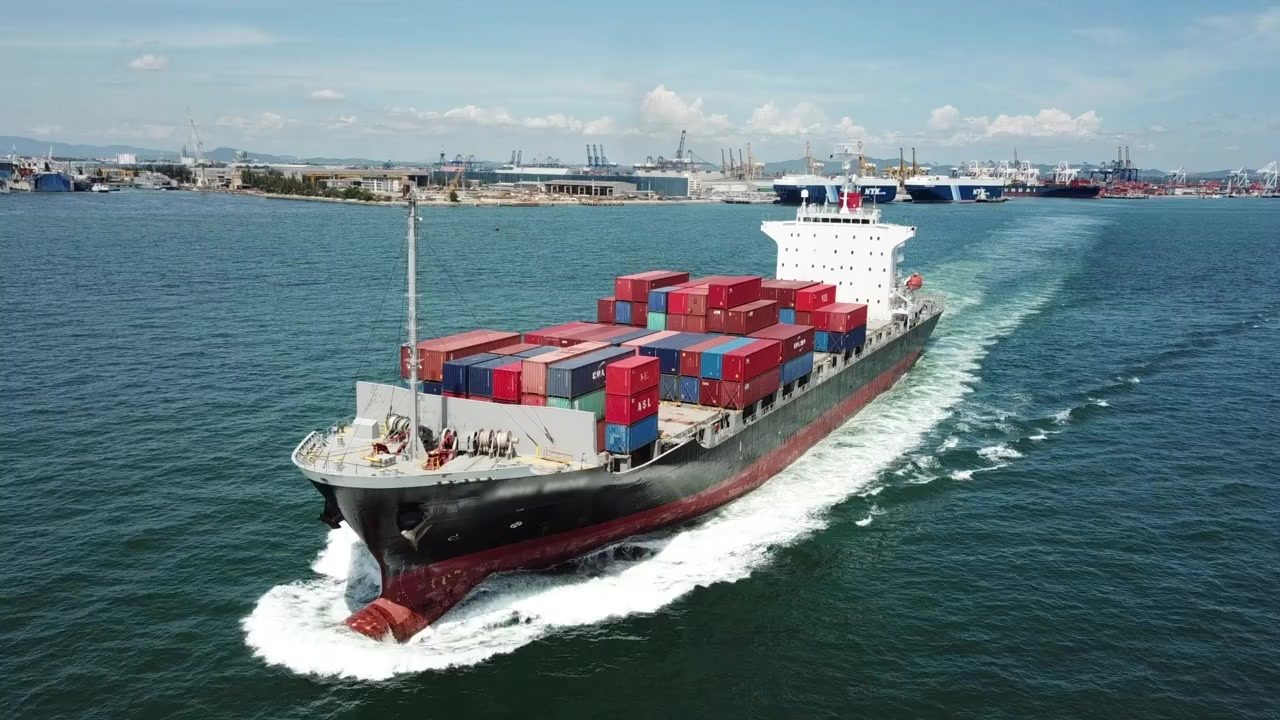
At full development, the project reshapes national accounts — replacing $25M of annual timber imports with domestic production, then exporting the surplus.
- 4%
- of national GDP
- 10%
- of national exports
- 8%
- of government revenue
- 25%
- of agricultural GDP
- 6%
- of national employment
- $250M
- in foreign direct investment
Global goals
Six goals, one plantation.
The project maps cleanly onto six of the UN Sustainable Development Goals — because it was designed against them, not fitted to them afterward.
- 01SDG
No poverty
Land lease revenue, wages and outgrower income in forest-dependent villages.
- 07SDG
Affordable and clean energy
Biomass from residues and thinnings displaces charcoal made from native forest.
- 08SDG
Decent work and economic growth
50,000+ livelihoods with certification to international skills standards.
- 12SDG
Responsible consumption and production
Certified traceable timber, full life cycle assessment, published carbon footprints.
- 13SDG
Climate action
Direct contribution to The Gambia's commitment to cut emissions 44.4% by 2030.
- 15SDG
Life on land
Degraded land restored, pressure lifted from indigenous forest, biodiversity monitored.
This project will provide jobs for our youth and restore our degraded lands. Greener Africa has involved our community from the start — we support them fully.
Paulownia's extensive root system prevents erosion while adding organic matter to the soil. The plantations will help rehabilitate degraded areas.
The skills training programmes will allow our youth to find meaningful work and livelihoods. This will stem rural–urban migration.