Skip to content
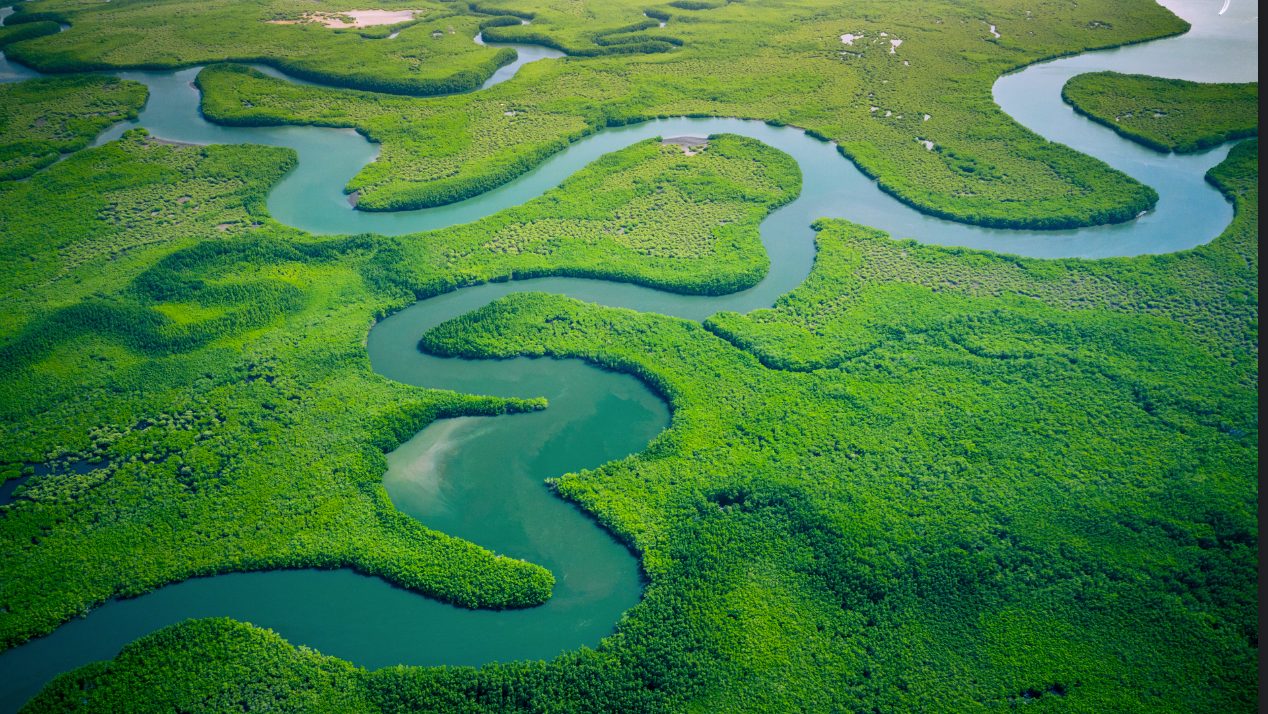
Aerial view of a winding river delta threading through green land
02The Paulownia Project

Restoring a river valley, one fast-growing hectare at a time.

42,000 hectares of degraded public forest across the Lower and Central River Regions — returned to productive, sustainably managed woodland.

Fig. 3 — Plantation regions along the River Gambia

LOWER RIVERCENTRAL RIVERRIVER GAMBIA
§1

The problem

A forest being spent faster than it can grow.

The Gambia has lost more than 70% of its forest cover. Native species cannot keep pace with demand, and every shortfall is met by cutting what remains — or importing the difference.

30%
Canopy cover remaining
Against 75–80% in well-forested countries. Over 70% of The Gambia's forest has been cleared.
10,000 ha
Lost every year
More than 80% of national energy demand is met by fuelwood, and the forest absorbs the difference.
580,000 m³
Annual wood demand
Domestic production reaches just 180,000 m³. Native species cannot close a gap this wide.
$25M
Imported wood products
Roughly 2% of GDP leaves the country each year to buy timber it could be growing.
8 kg : 1 kg
Charcoal conversion
Inefficient kilns burn eight kilos of wood for one of charcoal, releasing 265,000 tonnes of CO₂ a year.
250,000 ha
Degraded land available
The Ministry of Environment has facilitated access to public forest land suitable for restoration.
§2

Why paulownia

The right tree for a hard place.

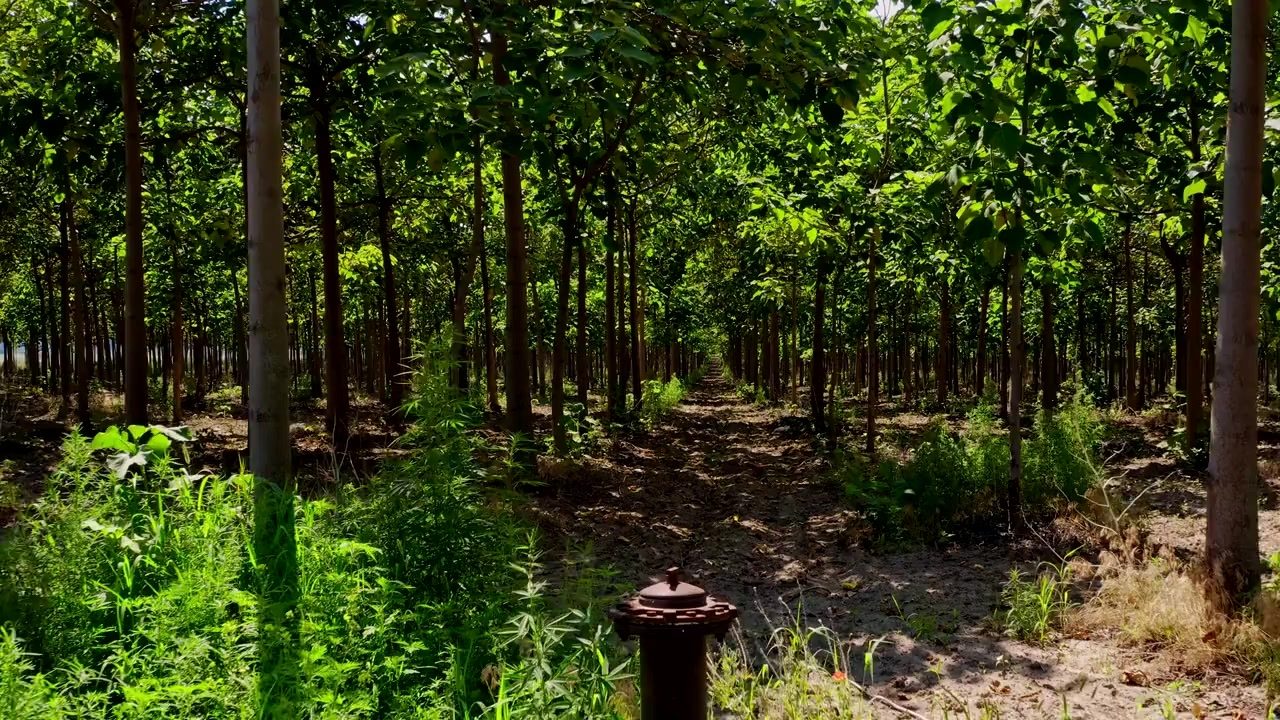
Rows of young paulownia trees in a managed plantation
Plate 2Young paulownia in planted rows
Five metres in year one
Conventional species manage 20–30 centimetres. Paulownia reaches harvestable maturity in five to seven years against twenty or more.
It grows back
Vigorous coppicing from the cut stump gives four harvest rotations from a single planting — no replanting cost, no re-establishment year.
Timber worth milling
Straight-grained, light but strong, dimensionally stable and decay resistant. Furniture, millwork, veneer, mouldings, instruments.
A canopy you can farm under
Light shade and heavy leaf fall make alley cropping viable — maize, cassava, groundnuts, spices — so land earns from year one.
Built for marginal ground
Thrives in poor and contaminated soils. Deep roots bind slopes, cut runoff and recharge groundwater rather than draining it.
Carbon at speed
Rapid biomass accumulation sequesters an estimated 8.8 tonnes of CO₂ per hectare each year, with credits issuable within months.
§3

The plan

Three phases. Three nurseries. Five million clones a year.

Planting is staged over three years so nursery capacity, land preparation and the first harvests build on one another rather than competing for the same season.

PHASE 01Year 1

15,000 ha

14M trees

First tissue culture nursery commissioned. Site survey, deep ripping, drip irrigation mains and firebreaks across the Lower River Region blocks.
PHASE 02Year 2

15,000 ha

28M trees

Two further nurseries online, taking clonal capacity to 5 million plantlets a year. Mechanised planting at scale; processing facility groundworks begin.

PHASE 03Year 3

12,000 ha

28M trees

Final blocks planted across Central River Region. Sawmill, kilns and logistics hubs complete. First thinning trials and carbon certification open.

Planting geometry

3m × 2m — 1,666 trees per hectare, 70 million in all.

Wide enough to farm between the rows; close enough to close canopy and shade out weeds.

§4

Sequence

Six stages, overlapping across eight years.

Nursery, land, planting, maintenance, harvest and processing don't run one after another — they overlap, so the plantation is producing while it is still being planted.

Y1Y2Y3Y4Y5Y6Y7Y8STAGE 01Nursery setupSTAGE 02Land preparationSTAGE 03PlantingSTAGE 04Plantation maintenanceSTAGE 05HarvestingSTAGE 06Post-harvest processing
§5

Technology

Cutting-edge science, applied to an ancient act.

From tissue culture to blockchain chain-of-custody, technology is deployed at every link — not for its own sake, but for productivity, traceability and trust.
Propagation

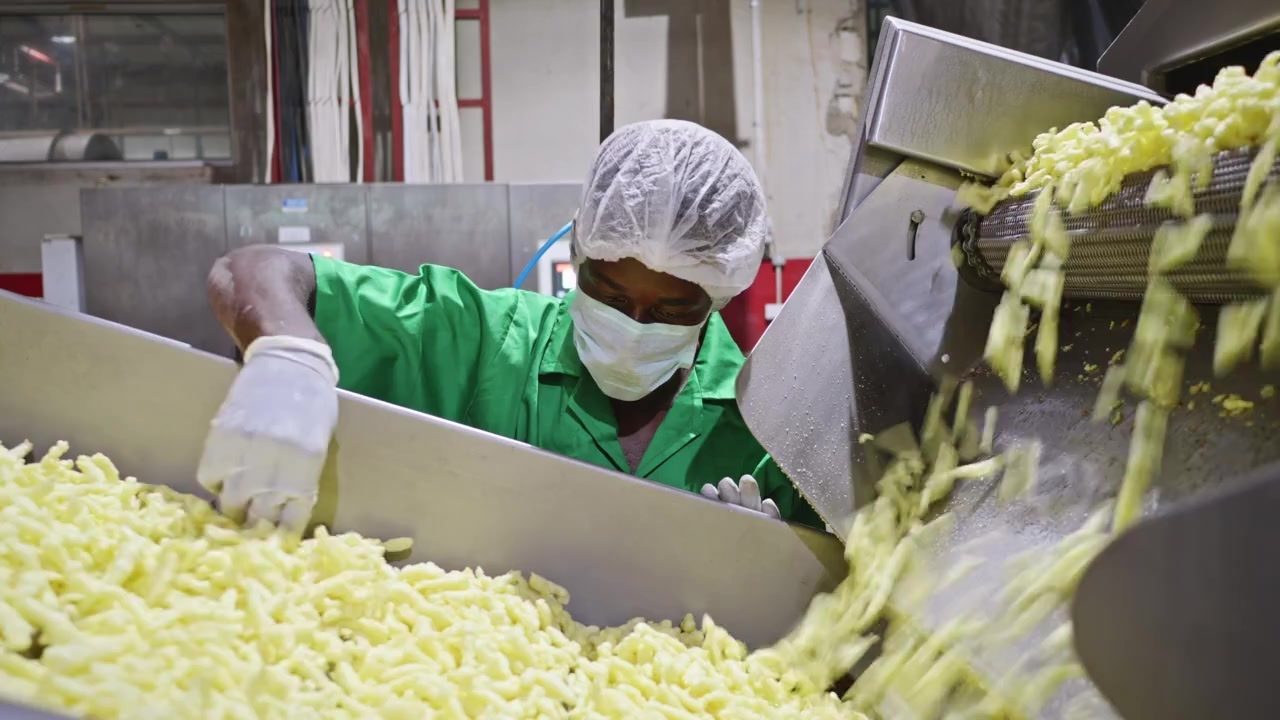
  • Tissue culture labs with capacity for 500,000 plantlets in culture
  • LED photobioreactors and laminar flow cabinets
  • Aeroponic rooting and robotic media dispensing
  • Cryogenic germplasm storage from elite mother trees
  • RFID tagging for traceability from lab bench to field

Plantation

  • LiDAR and photogrammetry 3D terrain models
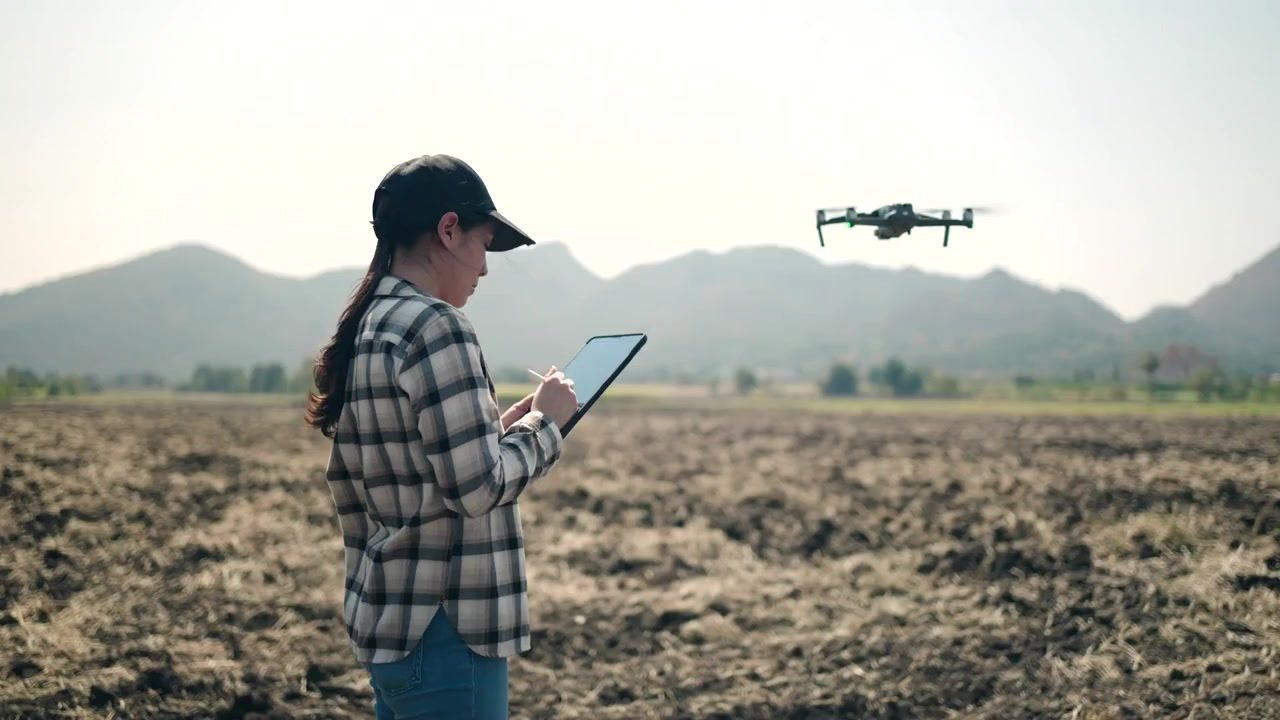
  • Drone mapping to catch growth anomalies early
  • AI irrigation control driven by plant water stress
  • Machine vision pest and disease detection from camera traps
  • Thinning optimisation balancing growth against stand stability

Harvest & mill

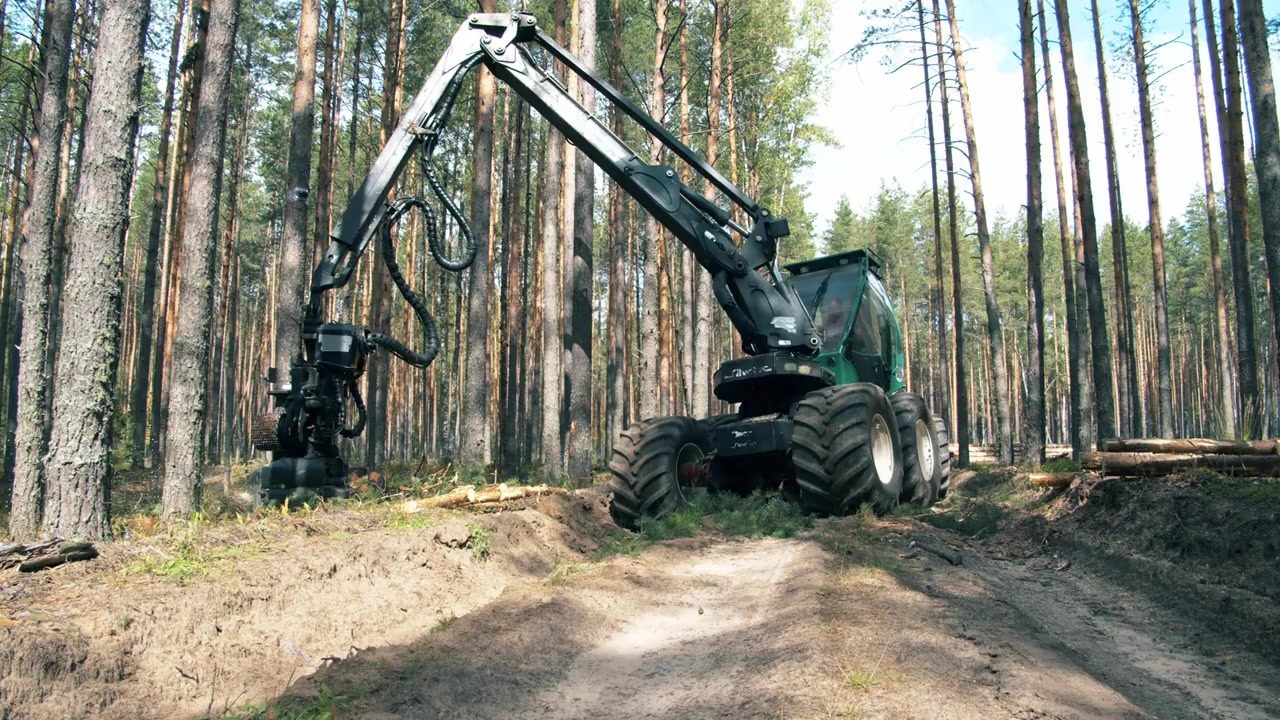
  • Cut-to-length harvesters matched to stem size
  • 3D log scanning for per-log sawing patterns
  • AI grading of timber for structural properties
  • Digital twin simulation of kilns and lumber flow
  • Blockchain chain of custody from stump to store

Assurance

  • Satellite monitoring of vegetation health and land cover
  • Long-range drone surveillance for early wildfire detection
  • DNA marking of timber to defeat illegal logging
  • Monte Carlo ensemble forecasts for yield uncertainty
  • Open reporting of product carbon footprints
Technicians in a tissue-culture laboratory handling plant material
Tissue culture
A field technician flying a survey drone over open land
Drone survey
A mechanised harvester working among tall plantation trees
Mechanised harvest
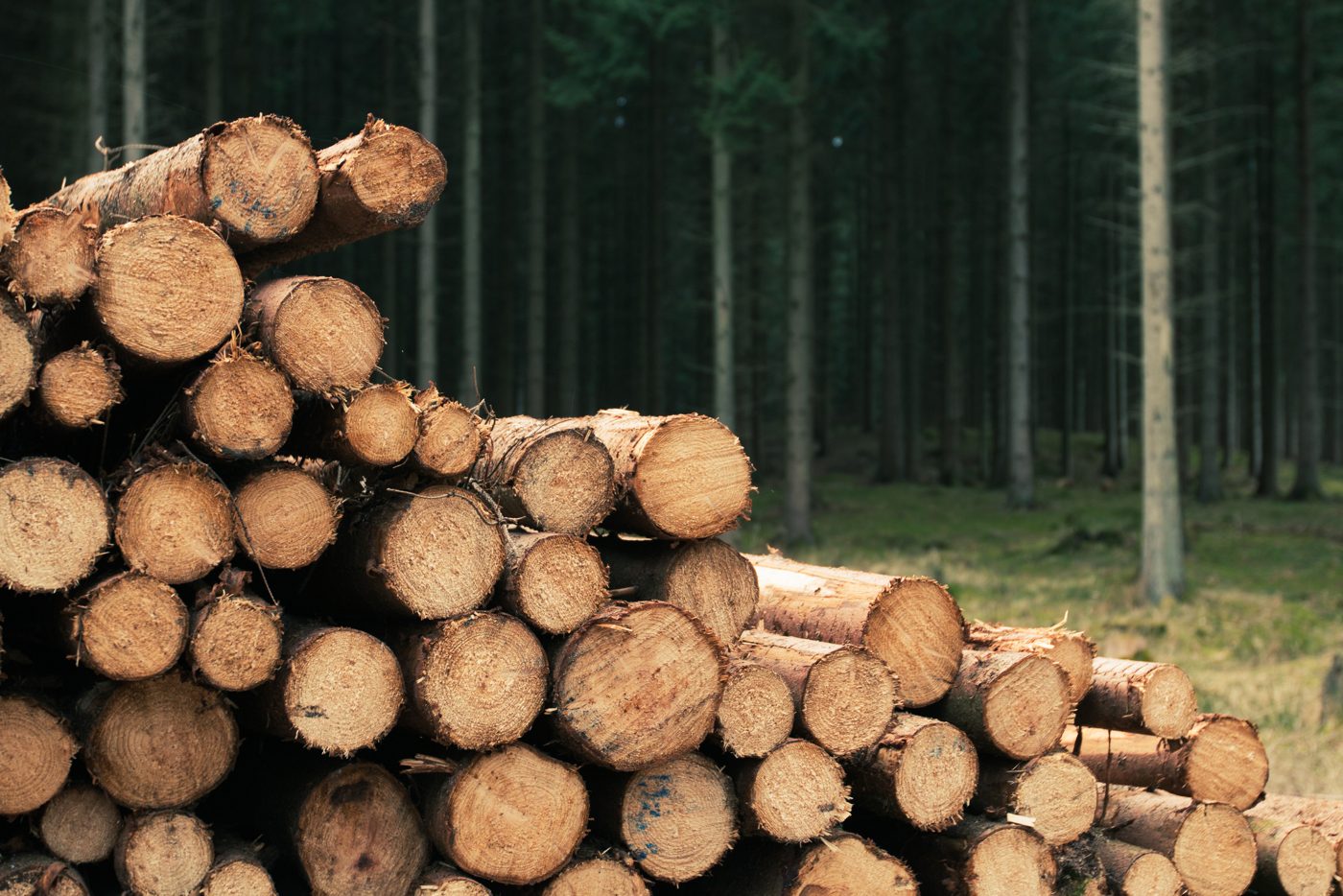
A neatly stacked pile of freshly cut timber logs
Graded timber
§6What gets built
3
Tissue culture nurseries
5M
Clones propagated per year
500 km
Drip irrigation piping
2,000 ha
Irrigation reservoir storage
3,000 km
Access and fire protection roads
20,000
Solar panels powering operations
25
Logistics hubs and loading ramps
150
Staff housing units
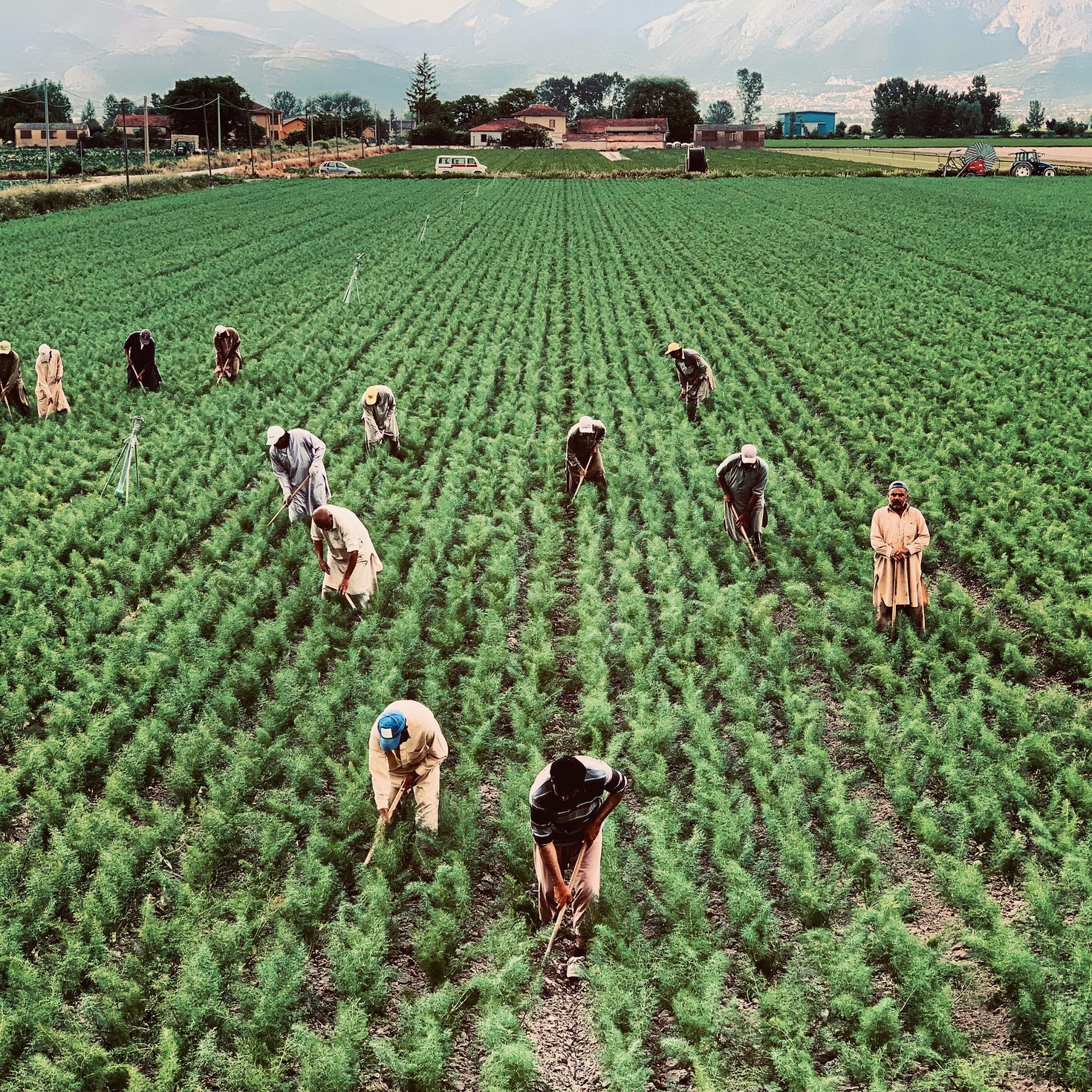
Aerial view of workers tending a large cultivated field
§7

The outgrower model

Communities as owners, not spectators.

Beyond the estate itself, smallholders receive quality clonal saplings, training and extension services, and supply agreements that buy their timber at guaranteed prices. Cooperative lease models give access to harvest and transport equipment; payments and inputs are advanced against future wood supply; and certification support integrates smallholders into international value chains.

Benefit-sharing agreements set employment quotas and forest access rights, and initiatives are owned and managed by community cooperatives — not merely consulted.

The enabling condition

Everything rests on land tenure.

Paulownia coppices through three to four felling cycles from a single planting — a productive life measured in decades. That horizon only works with security of tenure behind it, which is why long-term public-land leases sit at the centre of what the project asks of government.