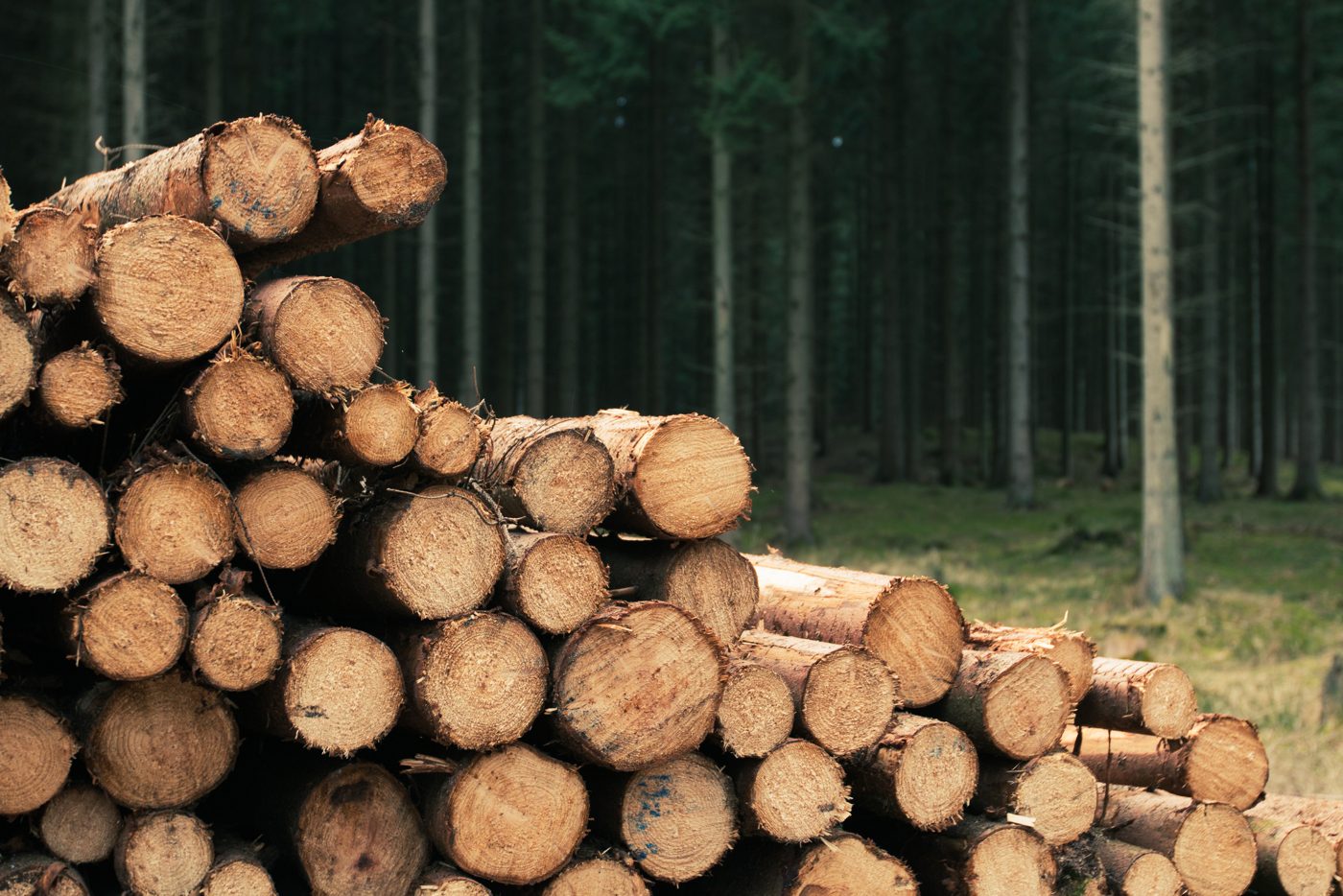
A cash-generating asset, grown from degraded ground.
The plantation turns cash-positive in year six and runs four coppice rotations across twenty-five years. The numbers below are transcribed directly from the project's financial model.
- $350M
- Capital requirement
- Across the first five years
- Year 7
- Breakeven
- Operations self-funding
- 18%
- Internal rate of return
- Ten-year, base case
- 25%
- Return on investment
- Base case
- 8 years
- Payback period
- On invested capital
- $120M
- NPV
- At a 10% discount rate
Accumulated position
Deep at first. Then relentless.
The cumulative position bottoms out near −$156M in year five, clears zero in year nine, and compounds to roughly $3.1 billion by year twenty-five.
Figures transcribed from the project's Accumulated Profit / (Loss) — Internal Rate of Return model. The full year-by-year table appears below; chart and table are driven from the same data.
Revenue
Five streams, staggered by design.
Income does not wait for the first clear-fell. Intercropping and carbon earn from the early years; thinning bridges to the harvest; value-added products lift the margin later.
Thinning
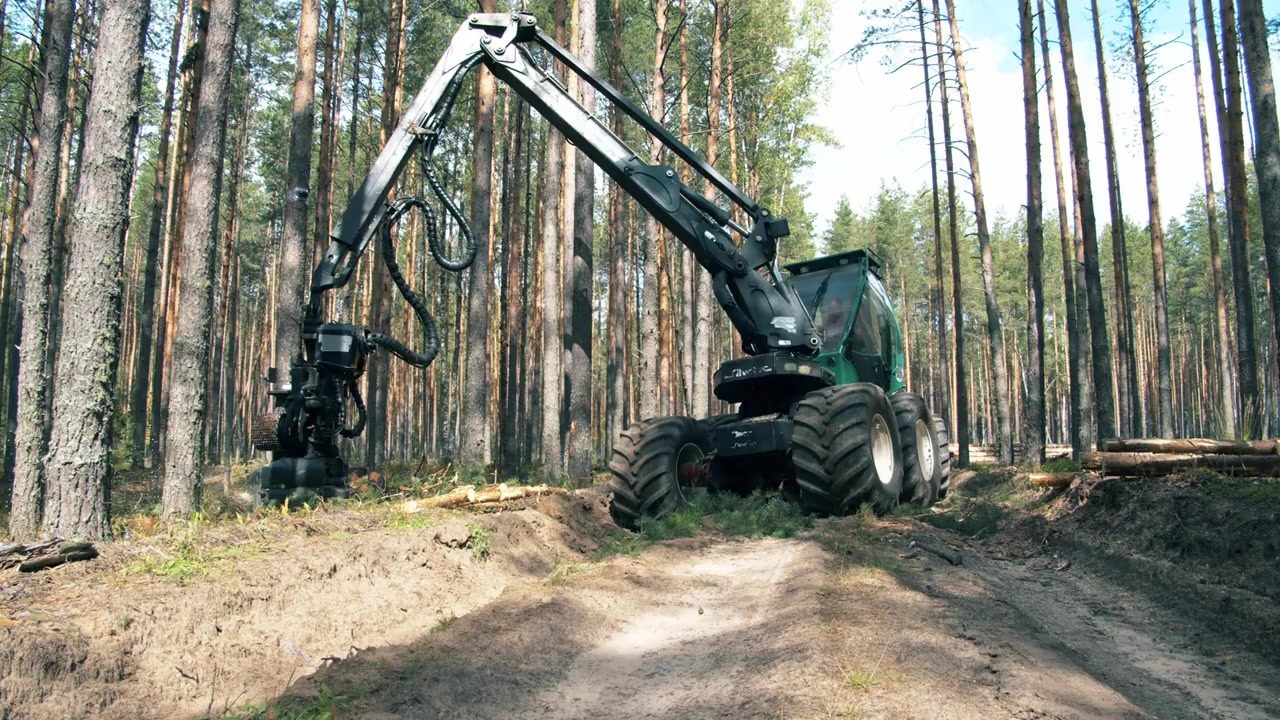
From Year 4Selective removal of suppressed stems produces small timber and woodchip while improving the residual stand.
Clear-fell harvest
From Year 7Mature stands felled on five-to-seven year rotations, then coppiced. Four rotations across the twenty-five year model.
Intercropping
From Year 1Alley cropping under the canopy — grains, tubers, pulses, fruit and spices — with revenue shared with participating farmers.
Carbon credits
From Year 2Certified sequestration under VCS/CCBA, issued within months of planting given the growth rate. Estimated $5M annually.
Value-added products
From Year 8Sawn timber, veneer and plywood into furniture, mouldings, joinery, instruments and timber-frame housing. Residues into biomass energy.
Capital
$350M in, phased and blended.
Sources of fundsUSD M
- Impact investor equity$100M
Founders and social impact funds
- Debt and green bonds$150M
Commercial banks, DFIs, institutional lending
- Climate and development grants$50M
Climate funds and bilateral agencies
- Community forestry investment$25M
Self-help group participation
- Corporate sponsorship and CSR$25M
Private sector and foundation matching
Total funding target$350M
Uses of fundsUSD M
- Plantation development$240M
- Planting$127M
- Maintenance to first harvest$42M
- Field infrastructure$42M
- Site preparation$17M
- Processing plant$45M
- Salaries$27M
- Equipment$15M
- Working capital$15M
- Nursery establishment$8M
Total investment$350M
Resilience
Above 15%, even when it goes wrong.
Above 15%
Pessimistic IRR
18%
Base case IRR
Above 20%
Optimistic IRR
Returns hold above 15% under the pessimistic scenario, driven by the coppicing economics: after the first rotation there is no re-establishment cost, so the downside case still clears a commercial hurdle rate.
Model assumptions
- Survival rate
- 95%
- Rotation length
- 5 years
- Rotations modelled
- 4 over 20 years
- Mean annual increment
- 25 m³/ha/yr
- Pulp to sawlog ratio
- 80 : 20
- Sawlog price
- $100/m³, +2% a year
- Pulp log price
- $50/m³
- Processing cost
- $20/m³
- Operating cost trend
- −5% per rotation
- Carbon leakage
- 20% of sequestered volume
- Discount rate
- 8%
The full model
Twenty-five years, nothing hidden.
Rather than a summary, the complete year-by-year projection — expenses, turnover, yearly result and running position.
| Year | Expenses | Turnover | Yearly P&L | Cumulative |
|---|---|---|---|---|
| Y12020 | $32m | — | −$32m | −$32m |
| Y22021 | $38m | — | −$38m | −$70m |
| Y32022 | $43m | — | −$43m | −$113m |
| Y42023 | $49m | $29m | −$19m | −$132m |
| Y52024 | $54m | $29m | −$24m | −$156m |
| Y62025 | $59m | $79m | $19m | −$137m |
| Y72026 | $65m | $79m | $14m | −$123m |
| Y82027 | $70m | $157m | $87m | −$36m |
| Y92028 | $76m | $157m | $81m | $45m |
| Y102029 | $81m | $314m | $233m | $278m |
| Y112030 | $87m | $314m | $228m | $506m |
| Y122031 | $92m | $314m | $222m | $728m |
| Y132032 | $98m | $314m | $217m | $945m |
| Y142033 | $103m | $314m | $211m | $1.16bn |
| Y152034 | $108m | $314m | $206m | $1.36bn |
| Y162035 | $114m | $314m | $201m | $1.56bn |
| Y172036 | $119m | $314m | $195m | $1.76bn |
| Y182037 | $125m | $314m | $190m | $1.95bn |
| Y192038 | $130m | $314m | $184m | $2.13bn |
| Y202039 | $136m | $314m | $179m | $2.31bn |
| Y212040 | $141m | $314m | $173m | $2.48bn |
| Y222041 | $147m | $314m | $168m | $2.65bn |
| Y232042 | $152m | $314m | $162m | $2.81bn |
| Y242043 | $157m | $314m | $157m | $2.97bn |
| Y252044 | $163m | $314m | $151m | $3.12bn |
| Total | $2.44bn | $5.56bn | $3.12bn |
Concessions sought
What the project asks of government.
- 0125-year land leases on public forest land
- 02Streamlined regulatory approvals
- 03Duty waivers on imported equipment and machinery
- 04Tax holidays under the investment code
- 05Expedited repatriation of capital and profits
- 06Offtake guarantees from public entities
Risk
Every risk named, every risk answered.
A plantation is a long-dated asset exposed to weather, pests, fire and markets. Each exposure carries a specific, funded mitigation.
Next step
Request the full investor deck.
The complete financial model, land-tenure position, offtake indications and phased execution plan — sent on request.
Prefer email? Reach the team directly.